

Exercise selection
Pressing, rowing, deadlifting, and upper-back work need to be chosen around posture, shoulder position, rib comfort, and confidence under load.
Training / Pectus Excavatum
This is the section for people with pectus who want a clearly laid out plan built specifically for them.
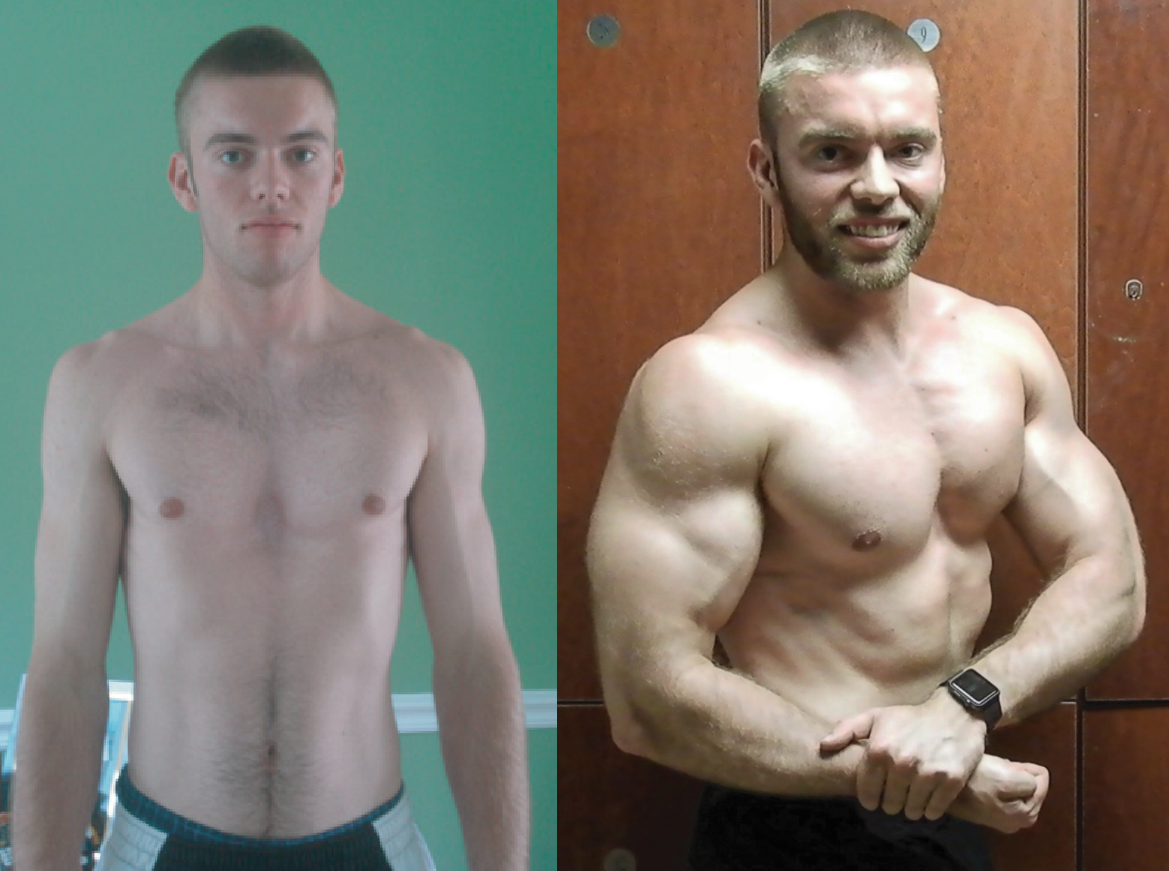
My Pectus Journey
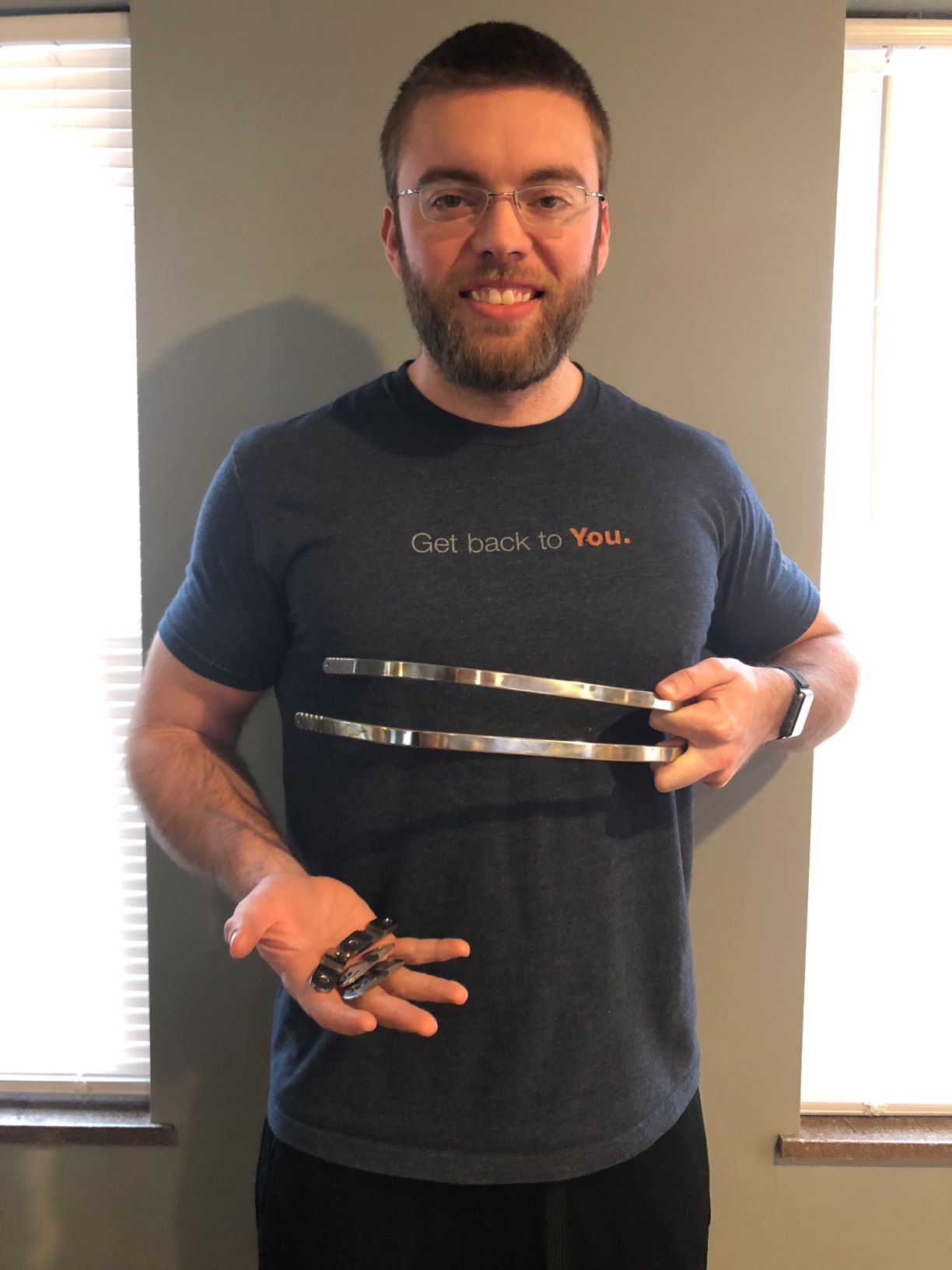
I was born with pectus excavatum, went through the testing process, received a severe Haller index score, and had the Nuss procedure performed at Cincinnati Children's Hospital. The surgery changed my chest, but returning to training taught me how little practical guidance existed for people trying to rebuild strength afterward.
That experience became the reason I kept a pectus-specific coaching lane inside HypertroFit: not as a replacement for medical care, but as training and nutrition support for the parts people still have to navigate after the diagnosis, the surgery decision, or the recovery timeline.
What Changes
Most good training principles still apply. The difference is knowing where pectus changes the decision: what to prioritize, what to scale, and what not to force.
Pressing, rowing, deadlifting, and upper-back work need to be chosen around posture, shoulder position, rib comfort, and confidence under load.
Pectus-focused programming usually needs more pulling than pushing so the chest, shoulders, back, and posture develop together.
Building muscle around pectus still comes down to calories, protein, consistency, and a plan that can be followed long enough to matter.
Pre-op, early post-op, bar-in, and bar-removal phases all change what training should look like and how quickly it should progress.
Coaching Paths
The best path depends on whether you are building without surgery, preparing for surgery, recovering from surgery, or returning to heavy training after restrictions.
Non-surgery focus
For people trying to build muscle, improve posture, and look better with pectus without planning around the Nuss procedure right now.
Surgery-aware focus
For people preparing for surgery, recovering after surgery, or returning to training after a long restriction period.
Free Download
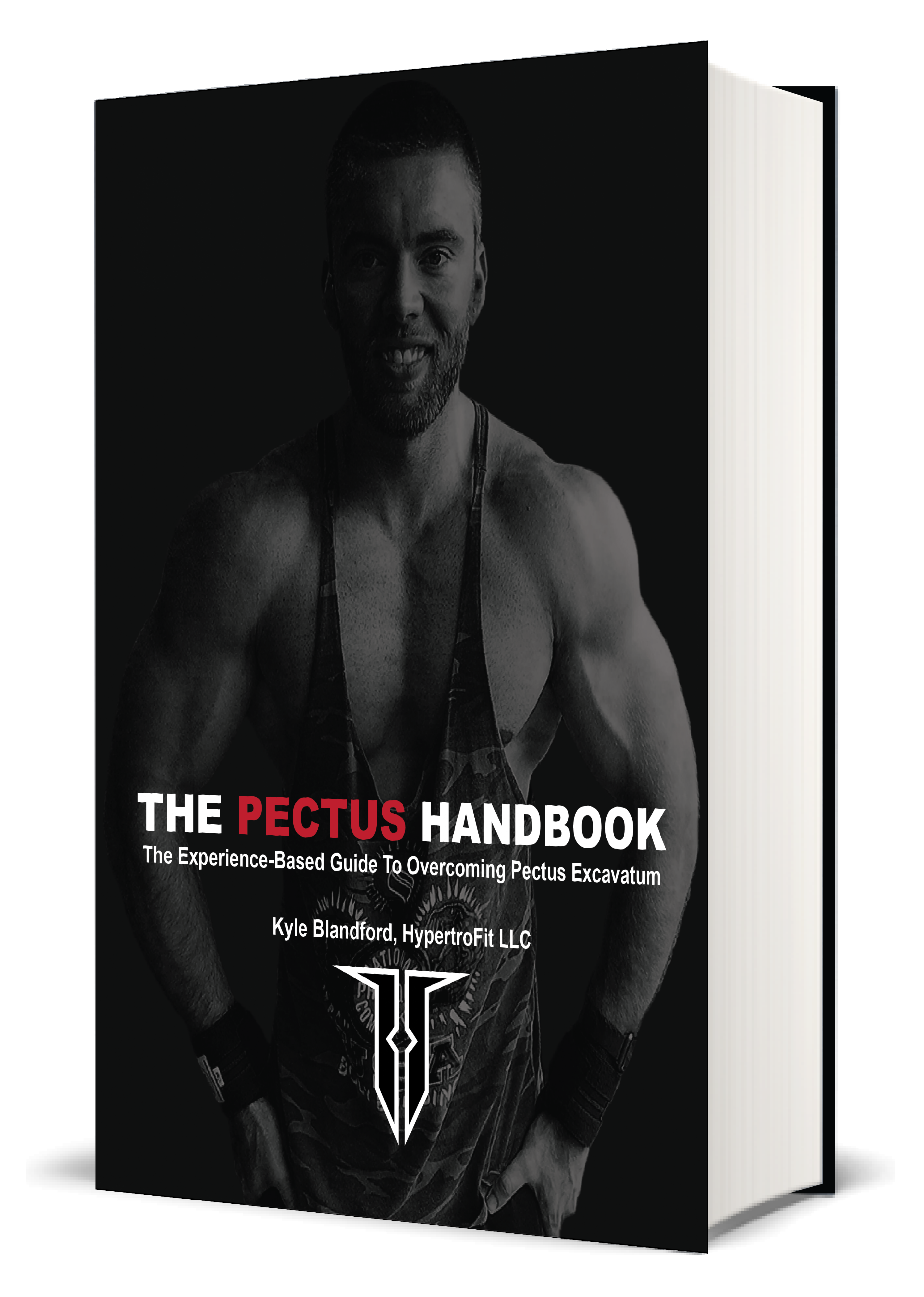
The handbook introduces the big questions: how severity is assessed, what the Haller index means, how surgery and non-surgical options fit into the conversation, and how to adapt your training and nutrition programming to better suit your needs.
Pectus Articles
Practical pectus training guides.

Three important exercises/movement patterns to incorporate into your training when working to overcome Pectus Excavatum. 1. Deadlift Variant RDLs are the easiest to learn Progress to conventional deadlifts or rack pulls

My morning routine for improving chest/shoulder mobility and thoracic extension. 1. Foam Rolling 2. Lat Stretch (2 mins each arm) 3. Doorway Chest Stretch (2 mins) 4. Floor Angels 3x10 5. Thread the Needle 3x5-10 Bonus:

Struggling to feel your chest during bench press? Getting more shoulder pain than muscle growth? If you have pectus excavatum or long arms, this video is for you. I discuss why the traditional barbell bench press might n

1. Bench Press (as a measurement of strength - minimum 1x bodyweight max as a starting goal) 2. Push-ups (AMRAP to failure at end of the workout) 3. Dumbbell Bench Press (For volume and better contraction than a barbell)
Putting metal bars in your chest is no small feat and the first thing you may be wondering (I know I was) is how long will it be for me to get back to normal? I have a new YouTube video going in-depth on this topic, disc

Now why am I singling out a 225lb bench? For one, it’s a major milestone for new trainees, hitting 2 plates on bench for the first time is a huge deal, it’s an achievement that starts to move you beyond the beginner stag

The most common pectus training mistakes are over-prioritizing chest, skipping structured programming, relying too much on barbell bench press, neglecting mobility, and not eating enough to grow.

Bench press technique starts with a full-body setup: eyes under the bar, shoulders pinned back, feet anchored, elbows controlled, and the range of motion matched to your goal.

As someone who was born with pectus excavatum and went on to have the Nuss procedure performed to correct it, I've experimented with just about every combination of exercises you could think of to improve the look of PE.

Improving your posture is one of the best things you can for your general health, especially if you have pectus excavatum. Rounding of the shoulders, weakness through the hips and core, and excessive tightness and pain t

Use this simple pec-tension drill to find whether flat, decline, or incline pressing gives you the best chest activation before choosing most of your chest work.
Essential cookies keep forms and security working. Anonymous cookieless analytics helps us understand visits, intake starts and finishes, clicks, and GymSmith handoffs. It does not use persistent visitor profiles, session replay, contact details, or questionnaire answers.
Your browser is sending Global Privacy Control, so optional analytics will remain off.